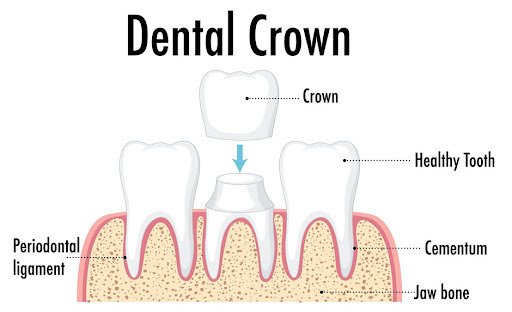
You have invested in a dental crown, and naturally, you want to know how long it is going to last. It is one of the most common questions patients ask after getting a crown fitted, and it is a completely fair one.
The honest answer is: it depends. Crown longevity varies based on the material used, where the crown is placed in the mouth, how well you care for it, and a few other factors we will cover in detail below.
Average Lifespan of a Dental Crown
In general, a well-maintained dental crown lasts anywhere between 10 and 15 years. Many crowns last significantly longer, 20 years or more is not uncommon in patients who maintain good oral hygiene and attend regular check-ups.
The type of material plays a significant role:
Porcelain-fused-to-metal crowns are durable and aesthetically pleasing, but the porcelain layer can chip over time, especially under heavy biting pressure. They typically last 10-15 years.
All-ceramic or zirconia crowns are the modern standard for front and back teeth alike. Zirconia in particular is exceptionally strong and resistant to chipping, making it a long-lasting option. With proper care, zirconia crowns can last 15-20 years or more.
Metal crowns (gold or alloy) are the most durable option and rarely chip or crack; they can last decades. However, they are less popular today due to aesthetics.
What Affects Crown Longevity?
Location in the mouth. Crowns on back teeth (molars and premolars) are subjected to far more biting force than front teeth. This means they tend to experience more wear over time.
Teeth grinding (bruxism). Patients who grind their teeth at night put enormous pressure on crowns, significantly shortening their lifespan. A custom nightguard can protect your crown and is strongly recommended if you grind.
Oral hygiene habits. The crown itself cannot decay, but the tooth underneath it can. Poor brushing and flossing habits can lead to decay at the crown margin, the join between the crown and natural tooth, which can compromise the crown’s fit and the health of the tooth beneath.
Regular dental visits and routine check-ups allow your dentist to monitor the crown’s condition, check the margins, and address any early issues before they become bigger problems. Patients who skip check-ups are far more likely to need early crown replacement.
Diet Regularly chewing very hard foods, such as ice, hard sweets, and bones, can stress or crack a crown over time. It pays to be mindful.
Signs That Your Crown Needs to Be Replaced
Visible damage, such as chips, cracks, or fractures in the crown material are a clear sign that it is time for a replacement. Even small chips can allow bacteria to enter and cause problems underneath.
Pain or sensitivity. If you notice new sensitivity to temperature or pressure around a crowned tooth, it may indicate that the crown has shifted, there is decay beneath it, or the underlying tooth has developed a crack.
Crown feels loose. Crowns are cemented firmly in place. If yours feels even slightly loose or you notice movement when you bite, see your dentist promptly. A loose crown can allow bacteria to enter and cause rapid decay of the tooth underneath.
Dark line at the gum margin. A dark grey line where the crown meets the gum is often the metal base of an older porcelain-fused-to-metal crown becoming visible as the gum recedes slightly with age. This is primarily an aesthetic concern, but also a sign that a more modern crown material might be worth considering.
Age of the crown If your crown is over 15 years old and has never been assessed, it is worth having your dentist take a look, even if you have no symptoms. Proactive evaluation can catch issues early.
Can a Crown Be Repaired Instead of Replaced?
Minor chips on porcelain crowns can sometimes be smoothed or repaired with composite resin in a single visit. However, significant damage, decay beneath the crown, or a poorly fitting crown typically requires a full replacement.
Your dentist will take an X-ray to assess the tooth beneath the crown and recommend the most conservative option that protects your long-term dental health.
Getting Teeth Cleaning in Vadodara: The Best Thing You Can Do for Your Crown
One of the simplest ways to extend the life of your dental crown is through consistent professional cleaning every six months. Cleaning removes tartar build-up at the crown margins, one of the primary causes of decay that shortens crown life.
Think of it as routine maintenance for a significant investment. A short cleaning appointment twice a year can add years to the life of your crown.
We always recommend a water flosser to increase the life of the crown and the tooth.
If you have had a crown for a while and cannot remember the last time it was checked, book an appointment. A quick assessment could save you from a much larger expense down the road.