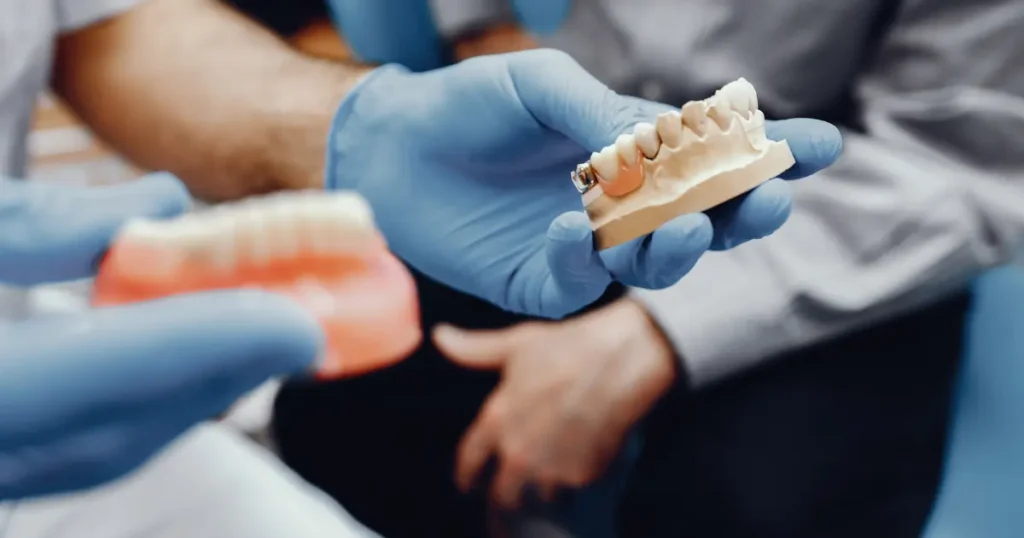
A missing tooth can affect more than your smile. Over time, it may change the way you chew, affect the position of nearby teeth and contribute to changes in the jawbone beneath the missing tooth. Dental implants are one option for replacing missing teeth. Unlike a conventional bridge or removable denture, an implant is placed into the jawbone and can support a dental crown, bridge or other restoration. However, choosing an implant is not simply a matter of selecting a treatment or implant brand. Your oral health, jawbone condition, overall health, treatment goals, budget and the experience of the dental team all need to be considered. If you are considering dental implants in Bhayli, understanding these factors before treatment can help you ask better questions and make a more informed decision.
Are Dental Implants Suitable for Your Situation?
The first question is whether a dental implant is appropriate for you.
Implants may be considered for:
- One missing tooth
- Several missing teeth
- Multiple missing teeth in different areas
- People who have lost most or all of their teeth
The treatment plan can be different for each situation. A single missing tooth may need one implant and crown, while several missing teeth may be replaced with an implant-supported bridge. Patients who have lost many teeth may be considered for full-arch implant solutions.
Your general health, oral hygiene, gum condition, bone availability and personal expectations also matter.
During your consultation, ask:
- Am I a suitable candidate for implants?
- Are there any oral health problems that need treatment first?
- What type of implant restoration would suit me?
- Are there alternatives I should consider?
A proper assessment should come before deciding on the treatment.
What Is the Condition of Your Jawbone?
The condition of your jawbone is an important part of implant planning. A dental implant needs sufficient healthy bone around it for stability and integration. After a tooth is lost, the bone in that area can gradually reduce because it no longer receives the same stimulation from the tooth root.
This does not automatically mean you cannot have an implant. Depending on the situation, a dentist may recommend additional treatment such as bone grafting before or during implant treatment.
Ask your dentist:
- Do I have enough bone for an implant?
- Is my bone height and width suitable?
- Will I need a bone graft?
- How would a bone graft affect the treatment timeline and cost?
A detailed examination and appropriate imaging can help determine what is realistically possible.
Are Your Gums and Remaining Teeth Healthy?
Healthy gums are important for successful implant treatment. Active gum disease can affect the tissues and bone supporting your teeth and may also create problems around dental implants. Existing cavities or infections may also need attention before implant treatment begins. Your dentist may therefore recommend treating gum disease, infection or other dental problems before proceeding.
Before choosing an implant, ask:
- Are my gums healthy enough for implant treatment?
- Do I have any active infection?
- Do my remaining teeth need treatment?
- How can I improve my oral hygiene before the procedure?
Taking care of these issues first can create a healthier foundation for implant treatment.
What Type of Dental Implant Treatment Do You Need?
There is no single implant solution for everyone. For one missing tooth, a single implant with a crown may be suitable. If several adjacent teeth are missing, an implant-supported bridge may be an option. For extensive tooth loss, your dentist may discuss full-arch or implant-supported denture solutions.
Each approach has different requirements, costs and maintenance needs.
Ask:
- How many implants will I need?
- What type of restoration will be placed on the implants?
- Why is this option suitable for my case?
- What are the alternatives?
- How will the final result look and function?
Understanding the complete treatment rather than focusing only on the implant itself can help you compare your options more effectively.
How Experienced Is the Dentist With Implant Treatment?
Implant treatment involves more than placing an implant. It can include diagnosis, treatment planning, surgical placement, healing, restoration and long-term maintenance.
When choosing a dentist, ask about their qualifications, additional implant training and experience with cases similar to yours.
You can ask:
- What implant training have you completed?
- How frequently do you perform implant procedures?
- Do you manage the complete treatment process?
- How do you plan complex implant cases?
- What happens if additional treatment is required?
For example, Dr. Vrinda Maheshwary at Ensō Dental Care has advanced training in implantology from France, including a Master’s qualification and gold medal recognition.
The important point is not simply having a qualification. Look for a dentist who can clearly explain your case, treatment plan, expected outcome and possible limitations.
What Technology Is Used for Implant Planning?
Good implant treatment starts with accurate planning. Depending on your case, your dentist may recommend dental X-rays, panoramic imaging or 3D CBCT imaging. A CBCT scan provides a three-dimensional view of the jaw and can help assess bone dimensions and important anatomical structures.
Ask:
- Do I need a CBCT scan?
- What will the scan show?
- How will the imaging affect my treatment plan?
- Is any additional diagnostic testing required?
For more complex cases, detailed imaging can help the dentist plan implant position more accurately. Ensō Dental Care in Bhayli has in-house CBCT imaging, which allows 3D assessment to be carried out at the clinic when it is appropriate for the treatment plan.
Technology is useful, but it should support clinical judgement rather than replace it. Your dentist should be able to explain why a particular scan or technology is needed for your case.
Which Implant System and Materials Will Be Used?
Implants are available from different manufacturers and systems. Rather than choosing an implant simply because of its brand name, ask your dentist:
- Which implant system do you use?
- Why is it suitable for my case?
- What type of crown or restoration will be placed?
- What materials will be used?
- Is there a warranty or manufacturer support?
Different implant systems have different designs and clinical histories. The dentist’s treatment planning, surgical technique, restoration and long-term maintenance are also important parts of the overall result. Ensō Dental Care uses Osstem implant systems, but whichever clinic you choose, you should feel comfortable asking why a particular system is being recommended.
How Long Does Dental Implant Treatment Take?
Dental implants usually require more time than a simple filling or crown because the implant needs time to integrate with the jawbone.
The process may include:
- Initial consultation and examination
- Dental imaging and treatment planning
- Preparation of the gums or bone, if required
- Implant placement
- Healing and integration
- Placement of the abutment or restoration
- Final crown or other prosthetic restoration
- Follow-up and maintenance
The overall timeline varies between patients. If bone grafting or other preparatory treatment is required, the process may take longer. Ask your dentist for an estimated timeline specific to your case rather than relying on a standard number of weeks or months.
What Should You Know About the Cost of Dental Implants in Bhayli?
The cost of dental implants can vary considerably from one patient to another.
Factors that may influence the total cost include:
- Number of implants required
- Type of implant system
- Crown or restoration material
- Diagnostic imaging
- Bone grafting, if required
- Gum treatment, if required
- Complexity of the case
- Laboratory charges
- Follow-up requirements
When comparing prices between clinics, make sure you are comparing similar treatment plans. Ask whether the quoted amount includes the implant, surgical procedure, abutment, crown, imaging, follow-up appointments and any other necessary treatment.
A very low initial quote may not represent the complete treatment cost, so ask for a clear estimate before making a decision.
What Factors Can Affect the Outcome of Dental Implants?
Dental implants can have good long-term outcomes, but several factors can influence the result.
1. Oral Hygiene
Good daily oral hygiene helps maintain the gums and tissues around an implant. Plaque buildup can contribute to inflammation and other complications.
2. Smoking
Smoking can interfere with healing and may increase the risk of implant-related complications. If you smoke, discuss this honestly with your dentist before treatment.
3. Medical Conditions
Certain medical conditions like diabetes and medications can influence healing. Make sure your dentist knows about your medical history and any medicines you take regularly.
4. Gum Health
Healthy gums are important both before and after implant treatment. Existing gum disease like periodontitis should be properly managed.
5. Teeth Grinding
Grinding or clenching can put additional forces on an implant and its restoration. Your dentist may recommend measures such as a night guard when appropriate.
6. Regular Maintenance
Implants still require regular dental care. Although the implant itself is not a natural tooth, the surrounding gums and bone need to be maintained. We use Guided Biofilm Therapy to clean around the implants.
Your dentist can recommend an appropriate check-up and maintenance schedule based on your individual needs.
What Should You Know About Recovery and Aftercare?
Recovery varies depending on the type and extent of implant treatment.
Your dentist will provide specific instructions about:
- Eating and drinking after the procedure
- Cleaning your mouth
- Medicines, if prescribed
- Physical activity
- Follow-up appointments
- Signs that require further attention
Some swelling, tenderness or minor bleeding can occur after oral surgery, but your dentist should explain what is expected and when you should contact the clinic. Following the recommended aftercare instructions is important during the healing period.
Long-term care is equally important. Regular brushing, appropriate interdental cleaning and professional dental check-ups help maintain the health of the tissues around the implant.
Is the Location of the Dental Clinic Important?
Yes, especially because implant treatment may involve several appointments.
Choosing a dental clinic in Bhayli that is convenient for you can make it easier to attend consultations, treatment appointments and follow-ups.
However, location should not be the only deciding factor.
Also consider:
- Dentist qualifications and experience
- Implant treatment planning
- Diagnostic facilities
- Sterilisation and hygiene practices
- Communication and transparency
- Treatment options
- Follow-up and maintenance
- Patient reviews
A clinic that can provide diagnosis, imaging, implant treatment and restoration in a coordinated setting may also make the overall process more convenient.
Conclusion
Choosing dental implants is an important decision that should be based on more than price or the name of an implant brand. Your jawbone, gum health, general health, treatment goals, dentist’s experience, technology, treatment timeline and long-term maintenance all deserve consideration. If you are considering dental implants in Bhayli, start with a detailed consultation and ask questions before committing to treatment. Understanding your diagnosis, available options and complete treatment plan can help you make a decision that is appropriate for your dental needs.
The right treatment is not necessarily the most expensive or the quickest option. It is the one that is carefully planned around your oral health, expectations and long-term needs.
Read More: What Should You Look for When Choosing a Dentist in Bhayli?
FAQs About Dental Implants in Bhayli
1. Are dental implants suitable for everyone?
No. Suitability depends on factors such as gum health, available jawbone, general health, oral hygiene and individual treatment needs. An examination and appropriate imaging are needed to determine whether implants are suitable.
2. How do I know if I have enough bone for a dental implant?
Your dentist can assess the amount and condition of available bone using clinical examination and appropriate imaging. A 3D CBCT scan may be recommended when more detailed information is needed. If bone volume is insufficient, bone grafting may be considered.
3. How long does dental implant treatment take?
The timeline varies from patient to patient. It may involve several stages, including planning, implant placement, healing and final restoration. Additional procedures such as bone grafting can extend the treatment period.
4. What affects the cost of dental implants in Bhayli?
The number of implants, implant system, restoration material, diagnostic imaging, bone or gum treatment and overall complexity can all affect the cost. Ask for a detailed treatment estimate so you understand what is included.
5. How can I maintain my dental implants after treatment?
Maintain good daily oral hygiene, attend recommended dental check-ups and follow your dentist’s maintenance instructions. Professional cleaning and regular monitoring can help maintain the gums and tissues around the implant.