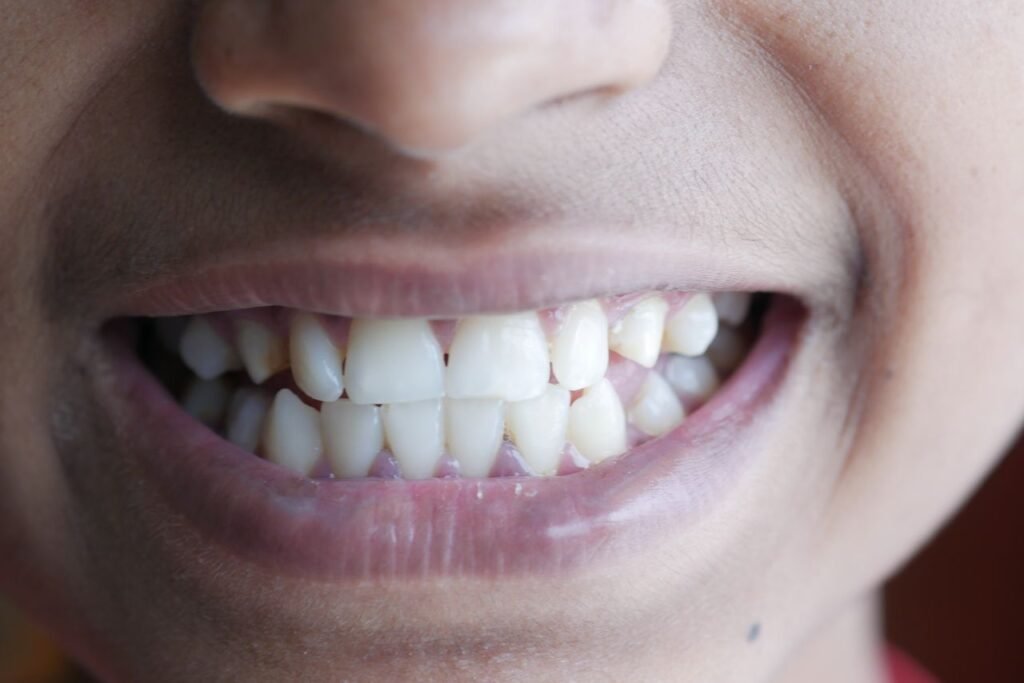
When most people think about crooked teeth, they often focus on appearance. A straighter smile is commonly associated with confidence and aesthetics, which is why many individuals consider orthodontic treatment. However, crooked, crowded, or misaligned teeth can affect much more than the way your smile looks.
Your teeth play an important role in chewing, speaking, maintaining oral hygiene, and supporting overall dental health. When teeth are not properly aligned, the effects can extend beyond cosmetic concerns and influence daily comfort as well as long-term oral health.
At Enso Dental Care, Dr. Vrinda Maheshwary frequently meets patients who initially seek orthodontic treatment to improve their smile but later discover that properly aligned teeth can also contribute to better oral function and easier maintenance.
In this article, we’ll explore how crooked teeth may impact your oral health and why seeking professional evaluation can be beneficial.
What Are Crooked Teeth?
Crooked teeth refer to teeth that are not positioned correctly within the dental arch.
This may include:
- Teeth that overlap
- Crowded teeth
- Rotated teeth
- Teeth that protrude forward
- Gaps between teeth
- Bite irregularities
Some people are born with naturally crowded teeth, while others develop alignment issues as their teeth and jaws grow.
The severity of misalignment can vary significantly from person to person.
Why Do Teeth Become Crooked?
There are several reasons why teeth may become misaligned.
Genetics
The size of the teeth and jaw is often inherited. If the jaw is smaller than the teeth, crowding may occur.
Early Loss of Baby Teeth
Premature loss of primary teeth can sometimes affect how permanent teeth erupt.
Thumb Sucking and Oral Habits
Certain childhood habits may influence tooth positioning and jaw development.
Jaw Growth Differences
Variations in jaw growth can contribute to bite problems and alignment concerns.
Impacted Teeth
Teeth that do not erupt properly can affect the position of surrounding teeth.
Understanding the cause of misalignment helps dentists and orthodontic providers develop appropriate treatment plans.
Crooked Teeth Can Make Oral Hygiene More Challenging
One of the most significant non-cosmetic concerns associated with crooked teeth is oral hygiene.
When teeth overlap or are crowded together, cleaning certain areas becomes more difficult.
As a result:
- Plaque may accumulate more easily.
- Food particles can become trapped.
- Flossing may be more challenging.
- Certain areas may be missed during brushing.
Even patients who maintain good oral hygiene habits can struggle to clean crowded areas effectively.
Over time, this may increase the likelihood of dental problems developing in hard-to-reach spaces.
Increased Risk of Tooth Decay
Because plaque and food debris can collect more easily around crowded teeth, some patients may experience a higher risk of cavities.
When bacteria remain on tooth surfaces for extended periods, they produce acids that can damage enamel.
Areas commonly affected include:
- Between crowded teeth
- Around overlapping teeth
- Hard-to-clean surfaces
Regular dental visits and proper oral hygiene remain important, but tooth alignment can also play a role in maintaining oral health.
Crooked Teeth May Affect Gum Health
Healthy gums depend on effective plaque control.
When teeth are misaligned, plaque accumulation may become more difficult to manage, which can contribute to:
- Gum inflammation
- Bleeding gums
- Gum sensitivity
- Localized periodontal concerns
Maintaining healthy gums is essential for preserving the long-term stability of your teeth.
Proper alignment can make daily cleaning routines more effective and predictable.
Bite Problems Can Affect Everyday Function
Crooked teeth are often accompanied by bite irregularities.
A bite describes how your upper and lower teeth come together when you close your mouth.
Common bite issues include:
Overbite
Upper teeth significantly overlap the lower teeth.
Underbite
Lower teeth extend beyond the upper teeth.
Crossbite
Certain upper teeth sit inside the lower teeth.
Open Bite
Some teeth do not make contact when the mouth is closed.
These bite concerns may affect:
- Chewing efficiency
- Tooth wear patterns
- Overall dental function
A properly aligned bite helps distribute chewing forces more evenly across the teeth.
Uneven Wear on Teeth
When teeth do not align properly, certain teeth may absorb more chewing pressure than others.
Over time, this may contribute to:
- Excessive wear
- Chipping
- Surface damage
- Increased stress on individual teeth
Although tooth wear naturally occurs with age, uneven pressure can accelerate the process in some cases.
Jaw Discomfort and Muscle Strain
The jaw joints and muscles work together whenever you speak, chew, or swallow.
In some situations, bite irregularities may place additional strain on these structures.
Patients may occasionally experience:
- Jaw fatigue
- Muscle tension
- Difficulty chewing certain foods
- Discomfort during prolonged chewing
Not every person with crooked teeth experiences these symptoms, but proper alignment can support balanced oral function.
Speech Can Be Affected
Teeth contribute to the formation of certain sounds and words.
Depending on the type and severity of misalignment, some individuals may notice:
- Difficulty pronouncing certain sounds
- Changes in speech clarity
- Reduced confidence while speaking
Orthodontic treatment is sometimes recommended when alignment issues contribute to speech-related concerns.
The Emotional Impact of Crooked Teeth
While oral health concerns are important, the emotional effects of crooked teeth should not be overlooked.
Many patients report feeling self-conscious about:
- Smiling in photographs
- Social interactions
- Professional presentations
- Meeting new people
Confidence often plays an important role in overall well-being.
For many patients, improving smile alignment contributes positively to self-esteem and social comfort.
When Should You Consider Orthodontic Treatment?
You may benefit from an orthodontic evaluation if you notice:
- Crowded teeth
- Overlapping teeth
- Large gaps
- Bite concerns
- Difficulty cleaning between teeth
- Excessive tooth wear
- Jaw discomfort
- Concerns about smile appearance
Early evaluation can help identify potential issues and provide guidance regarding available treatment options.
Treatment Options for Crooked Teeth
Modern orthodontics offers several solutions for improving tooth alignment.
The most suitable treatment depends on factors such as:
- Age
- Severity of alignment concerns
- Bite condition
- Oral health status
- Personal preferences
Common orthodontic treatment options include braces and clear aligners.
A comprehensive evaluation helps determine the most appropriate approach for each patient.
Braces Treatment
Braces remain one of the most effective methods for correcting a wide range of orthodontic concerns.
Braces apply controlled forces that gradually move teeth into improved positions over time.
Braces may be recommended for:
- Crowded teeth
- Bite issues
- Complex alignment concerns
- Significant tooth movement
Patients seeking Braces Treatment Vadodara, Braces Treatment Vasna, or Braces Treatment in Bhayli can benefit from a professional orthodontic assessment to determine the most suitable treatment plan.
Invisalign: A Modern Alternative
For suitable cases, Invisalign offers an alternative approach to orthodontic treatment.
Invisalign uses a series of custom-made clear aligners that gradually reposition teeth.
Patients often choose Invisalign because:
- Aligners are discreet
- They are removable
- Oral hygiene is easier to maintain
- Daily routines are minimally affected
Individuals considering Invisalign Vadodara or Invisalign Vasna can discuss their eligibility during a consultation.
Why Early Evaluation Matters
Many patients assume orthodontic treatment is only for teenagers.
In reality, orthodontic care can benefit both adolescents and adults.
Early evaluation helps identify:
- Developing alignment concerns
- Bite irregularities
- Crowding issues
- Potential treatment options
Addressing concerns at the right time can often simplify treatment planning and support long-term oral health.
A Healthy Smile Is About More Than Appearance
Crooked teeth are often viewed as a cosmetic concern, but the effects can extend well beyond appearance.
Proper tooth alignment may help support:
- Easier oral hygiene
- Improved chewing efficiency
- Better gum health
- Reduced tooth wear
- Enhanced confidence
At Enso Dental Care, Dr. Vrinda Maheshwary works closely with patients to evaluate their orthodontic needs and recommend personalized treatment options.
If you are concerned about crooked teeth, crowded teeth, or bite problems, a consultation can help you better understand your oral health and available treatment choices.
Frequently Asked Questions
Are crooked teeth only a cosmetic problem?
No. Crooked teeth can also affect oral hygiene, gum health, chewing efficiency, tooth wear, and overall dental function.
Can crooked teeth increase the risk of cavities?
Crowded or overlapping teeth may create areas that are harder to clean, which can increase plaque accumulation and cavity risk.
Can adults get braces or Invisalign treatment?
Yes. Orthodontic treatment is suitable for many adults who wish to improve tooth alignment and oral function.
Is Invisalign as effective as braces?
Both Invisalign and braces can be effective, depending on the specific orthodontic condition being treated. A professional evaluation is needed to determine the best option.
Where can I get orthodontic treatment in Vadodara?
Dr. Vrinda Maheshwary at Enso Dental Care provides personalized orthodontic consultations and treatment options, including braces and Invisalign, for patients in Vadodara, Vasna, and Bhayli.