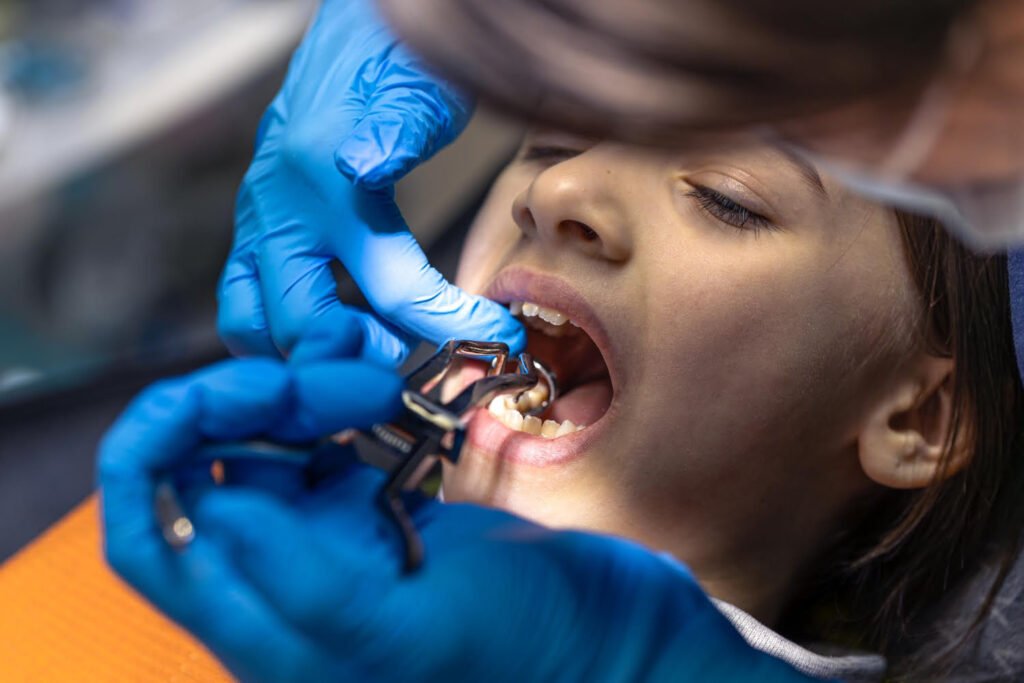
Losing a tooth can be a life-changing experience. Whether it happens due to tooth decay, gum disease, trauma, or a necessary dental extraction, many people assume that living with a missing tooth is simply something they must adapt to. While it may seem like a minor issue especially if the missing tooth is not visible when smiling, tooth loss can have a significant impact on your oral health, appearance, and overall quality of life.
Modern dentistry offers several effective solutions for replacing missing teeth, but many patients delay treatment because they are unaware of the long-term effects of tooth loss. Understanding these consequences can help you make informed decisions about protecting your smile and maintaining your oral health.
At Ensō Dental Care, Dr. Vrinda Maheshwary helps patients restore their smiles through personalized treatment options designed to improve function, comfort, and confidence.
Tooth Loss Is More Common Than You Think
Millions of people worldwide experience tooth loss at some stage in their lives.
Common causes include:
- Advanced tooth decay
- Gum disease
- Dental trauma
- Tooth fractures
- Failed dental restorations
- Impacted teeth requiring extraction
While losing a tooth may initially seem manageable, the effects often extend beyond the visible gap in your smile.
The Immediate Impact of Missing Teeth
When a tooth is lost, patients often notice changes such as:
- Difficulty chewing certain foods
- Increased food trapping
- Changes in appearance
- Self-consciousness while smiling
- Speech differences
For some people, these effects appear gradually and may not seem significant at first. However, the long-term consequences can become more noticeable over time.
How Missing Teeth Affect Your Ability to Chew
Every tooth plays a role in helping you bite and chew food efficiently.
When one or more teeth are missing:
- Chewing pressure becomes uneven
- Certain foods become difficult to eat
- Patients may avoid harder or healthier foods
- Excess stress may be placed on remaining teeth
Many people unconsciously begin chewing on one side of their mouth to compensate for the missing tooth. Over time, this can place additional strain on specific teeth and jaw muscles.
Maintaining proper chewing function is one of the key reasons dentists often recommend replacing missing teeth.
Missing Teeth Can Affect Speech
Teeth play an important role in pronunciation and speech clarity.
Depending on the location of the missing tooth, patients may notice changes in:
- Pronunciation of certain words
- Clarity of speech
- Confidence while speaking
Front teeth are particularly important for producing specific sounds.
While some patients adapt over time, replacing missing teeth can help support more natural speech patterns.
Teeth Naturally Support Each Other
Many people are surprised to learn that teeth help maintain each other’s position.
When a tooth is lost, neighboring teeth may gradually begin to shift.
This can lead to:
- Changes in alignment
- Increased spacing
- Bite irregularities
- Difficulty cleaning between teeth
The longer a gap remains untreated, the greater the likelihood of movement occurring.
This is one reason why dentists often encourage patients to discuss replacement options sooner rather than later.
The Hidden Effect of Tooth Loss on the Jawbone
One of the lesser-known consequences of tooth loss involves the jawbone.
Natural tooth roots stimulate the underlying bone whenever you chew or bite.
When a tooth is missing, that area no longer receives the same stimulation.
Over time, this may contribute to:
- Changes in jawbone structure
- Reduced bone volume
- Alterations in facial support
The extent of these changes varies from person to person, but they highlight the importance of considering tooth replacement options after tooth loss.
Changes in Facial Appearance
Teeth provide support for the lips and cheeks.
When multiple teeth are missing, some patients may notice gradual changes in facial appearance, including:
- Reduced facial support
- Changes around the mouth
- Altered smile aesthetics
Replacing missing teeth can help restore both function and appearance, contributing to improved confidence.
The Emotional Impact of Tooth Loss
The effects of missing teeth are not always physical.
Many patients experience emotional and social concerns such as:
Reduced Confidence
Some individuals become self-conscious about smiling in photographs or social situations.
Reluctance to Speak Freely
Patients may feel uncomfortable speaking in professional or personal settings.
Avoiding Social Situations
Some people begin avoiding events where they feel their smile may be noticed.
A healthy smile often plays an important role in self-esteem and overall quality of life.
What Happens If Multiple Teeth Are Missing?
The impact becomes even more significant when several teeth are missing.
Patients may experience:
- Greater chewing difficulties
- More noticeable speech changes
- Increased shifting of remaining teeth
- Bite problems
- Reduced comfort during daily activities
For this reason, comprehensive treatment planning becomes particularly important when multiple teeth are involved.
Treatment Options for Replacing Missing Teeth
Modern dentistry offers several solutions for replacing missing teeth.
The most suitable option depends on factors such as:
- Number of missing teeth
- Oral health condition
- Bone support
- Treatment goals
- Lifestyle preferences
A detailed consultation allows your dentist to recommend the most appropriate solution.
Dental Implants
Dental implants are commonly used to replace missing teeth.
They are designed to support a replacement tooth while helping restore function and appearance.
Patients often consider dental implants when they want a fixed solution for replacing missing teeth.
Benefits may include:
- Improved chewing function
- Natural-looking appearance
- Support for oral function
- Long-term tooth replacement option
A consultation is necessary to determine whether dental implants are suitable for your individual needs.
At Ensō Dental Care, we have an in house CBCT machine, which helps in gaining 3D imaging to analyse the bone quality and quantity to place dental implants.
Dr Vrinda Maheshwary is a Gold Medal Implantologist trained from France, and has ensured a complete ecosystem for meticulous implant placement.
Dentures
Dentures remain a popular solution for replacing missing teeth.
Modern dentures are designed with improved materials, comfort, and aesthetics compared to traditional options.
Dentures may be recommended for:
- Multiple missing teeth
- Complete tooth loss
- Patients seeking a removable solution
Customized treatment planning helps ensure optimal fit and functionality.
Which Option Is Right for You?
There is no one-size-fits-all answer.
The ideal solution depends on:
Your Oral Health
Healthy gums and supporting structures play an important role in treatment planning.
Number of Missing Teeth
Treatment recommendations vary depending on whether one tooth, several teeth, or an entire arch is missing.
Functional Goals
Some patients prioritize chewing efficiency, while others focus primarily on smile aesthetics.
Budget and Preferences
Different treatment options offer different benefits and considerations.
Dr. Vrinda Maheshwary works closely with patients to identify solutions that align with their needs and goals.
Why Early Replacement Matters
Many patients wait years before considering tooth replacement.
Unfortunately, delaying treatment may allow changes such as:
- Tooth movement
- Bite changes
- Jawbone alterations
- Increased treatment complexity
Seeking professional guidance early can help preserve oral health and simplify future treatment planning.
Protecting Your Smile for the Future
Tooth loss may be common, but it should never be ignored.
Replacing missing teeth is about much more than appearance. It can help support:
- Oral function
- Chewing ability
- Speech clarity
- Smile aesthetics
- Confidence
- Long-term oral health
At Ensō Dental Care, Dr. Vrinda Maheshwary provides personalized treatment plans for patients seeking solutions for missing teeth. Whether you are considering dentures, dental implants, or other restorative options, understanding your choices is the first step toward protecting your smile.
If you have recently lost a tooth or have been living with missing teeth for some time, a consultation can help you explore available options and determine the most suitable treatment for your needs.
Frequently Asked Questions
Is it necessary to replace a missing tooth?
In many cases, replacing a missing tooth can help maintain chewing function, support oral health, and reduce the risk of neighboring teeth shifting over time.
What happens if I leave a gap after losing a tooth?
A missing tooth may contribute to changes in chewing patterns, tooth movement, bite changes, and other oral health concerns.
What are the most common options for replacing missing teeth?
Dental implants and dentures are among the most common treatment options used to replace missing teeth.
Can missing teeth affect my speech?
Yes. Depending on the location and number of missing teeth, speech clarity and pronunciation may be affected.
Where can I get treatment for missing teeth in Vadodara?
Dr. Vrinda Maheshwary at Enso Dental Care provides personalized treatment options for patients seeking solutions for missing teeth, including dentures and dental implants.