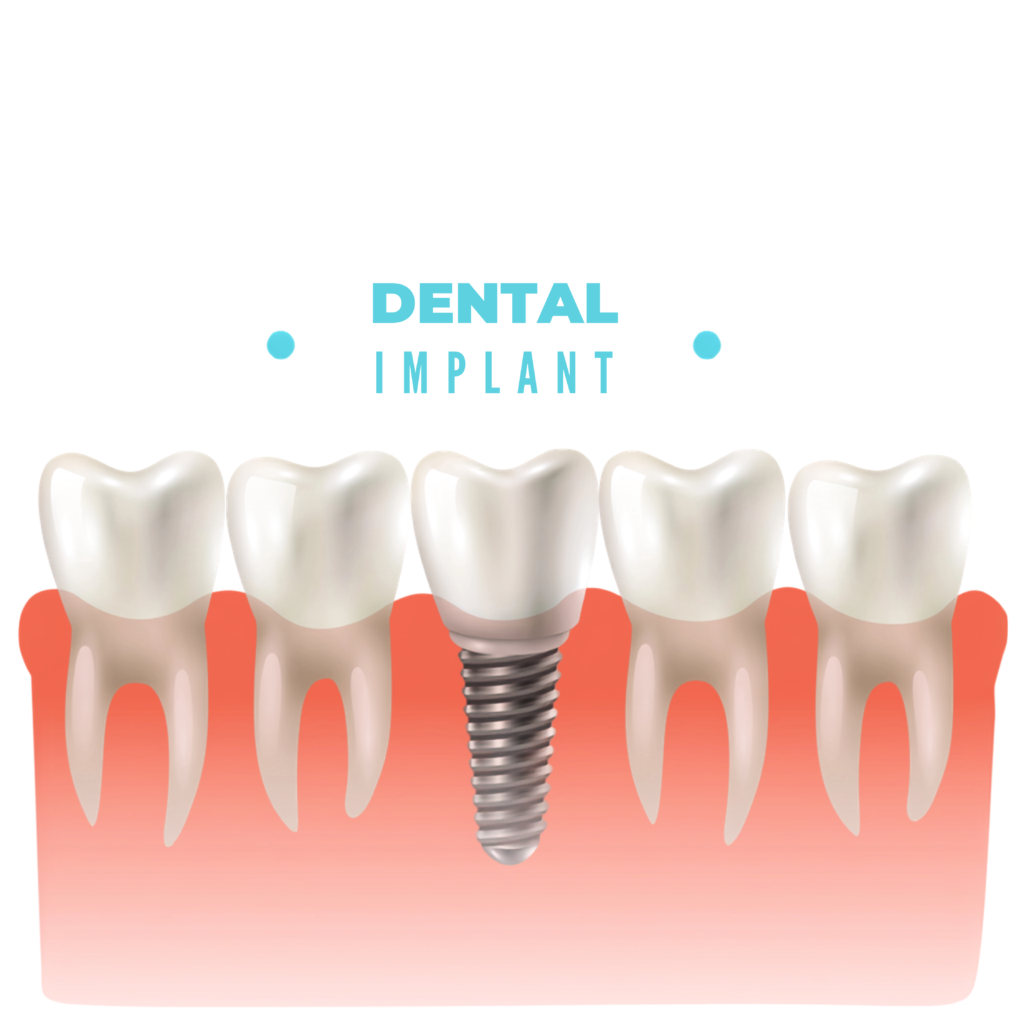
Losing a tooth can affect more than just your smile. It may impact chewing efficiency, speech, confidence, and even the alignment of surrounding teeth. Fortunately, advancements in modern dentistry have made it possible to replace missing teeth with solutions that are designed to restore both function and aesthetics. Among the most reliable treatment options available today are dental implants.
At Ensō Dental Care, Dr. Vrinda Maheshwary provides personalized dental implant solutions using advanced diagnostic technology and digital treatment planning. Every patient’s oral condition is carefully evaluated to determine the most suitable approach, ensuring that treatment is tailored to individual needs and long-term oral health goals.
If you are looking for Dental Implant Vadodara, understanding how dental implants work and their benefits can help you make an informed decision about restoring your smile.
What Is a Dental Implant?
A dental implant is a small titanium post that is placed into the jawbone to replace the root of a missing tooth. Once the implant integrates with the surrounding bone, it acts as a stable foundation for a custom-made dental crown, bridge, or denture.
Unlike removable tooth replacement options, dental implants are fixed in place and are designed to function like natural teeth. They help restore chewing ability while supporting the health of the jawbone and surrounding teeth.
Dental implants can replace:
- A single missing tooth
- Multiple missing teeth
- Several missing teeth using implant-supported bridges
- An entire arch of teeth with implant-supported dentures
At Ensō Dental Care, every implant treatment is planned with precision to achieve functional and aesthetic outcomes.
Why Replacing Missing Teeth Is Important
Many people delay replacing a missing tooth, especially if it is not visible while smiling. However, leaving gaps in the mouth can gradually lead to other oral health concerns.
Missing teeth may contribute to:
- Difficulty chewing certain foods
- Changes in speech
- Shifting of neighboring teeth
- Bite imbalance
- Increased wear on remaining teeth
- Gradual jawbone loss in the missing tooth area
Replacing missing teeth at the appropriate time helps maintain overall oral health and supports long-term dental stability.
Who Can Benefit from Dental Implants?
Dental implants are suitable for many adults who have one or more missing teeth and wish to restore their smile.
You may be a suitable candidate if you:
- Have one or more missing teeth
- Have healthy gums
- Have sufficient jawbone support
- Practice good oral hygiene
- Are committed to regular dental check-ups
A detailed clinical examination and diagnostic imaging help determine whether implant treatment is appropriate for your specific situation.
Advanced Technology at Ensō Dental Care
Successful implant treatment begins with accurate diagnosis and meticulous planning. At Ensō Dental Care, advanced technology plays an important role throughout every stage of the process.
The clinic is equipped with:
CBCT 3D Imaging
Three-dimensional imaging provides detailed information about:
- Bone density
- Bone height
- Nerve location
- Sinus position
- Implant site planning
This allows precise evaluation before implant placement.
Intraoral Digital Scanner
Traditional dental impressions can now be replaced with digital scanning technology in many cases.
The intraoral scanner creates accurate digital models of your teeth, helping design implant restorations with excellent precision.
Osstem Implant System
Ensō Dental Care utilizes internationally recognized Osstem Dental Implants, known for their quality and reliable clinical performance.
Each implant is selected based on the patient’s oral condition and treatment requirements.
NSK Physiodispenser
Specialized implant motors provide controlled speed and torque during implant placement, supporting precision throughout the procedure.
Class B Sterilization
Patient safety remains a priority. Modern sterilization protocols and Class B autoclaves ensure instruments are processed according to high infection control standards.
Step-by-Step Dental Implant Procedure
Every implant case is unique, but the overall treatment process generally includes several stages.
Initial Consultation
Dr. Vrinda Maheshwary performs a comprehensive examination that includes:
- Medical history review
- Dental examination
- Digital X-rays
- CBCT imaging
- Bite analysis
The findings help determine the most suitable treatment plan.
Treatment Planning
Once the examination is complete, the implant position is digitally planned to optimize function and aesthetics.
This planning stage also identifies whether any additional procedures, such as bone grafting, may be required.
Implant Placement
The titanium implant is carefully positioned within the jawbone using specialized instruments.
After placement, the implant is allowed time to integrate naturally with the surrounding bone through a biological process known as osseointegration.
Healing Phase
During healing, the jawbone gradually bonds with the implant surface, creating a stable foundation for the future restoration.
Healing time varies depending on each patient’s oral condition.
Crown Placement
Once healing is complete, a custom-designed dental crown is attached to the implant.
The final restoration is designed to complement the patient’s natural smile while restoring chewing function.
Benefits of Dental Implants
Modern dental implants offer several advantages for patients seeking tooth replacement.
Natural Appearance
Custom-made crowns are designed to blend with surrounding natural teeth.
Improved Chewing Function
Dental implants provide stable support, allowing patients to enjoy a wide variety of foods comfortably.
Jawbone Preservation
Unlike missing teeth, implants stimulate the surrounding bone during chewing, helping maintain bone volume over time.
Stability
Because implants are fixed within the jawbone, they remain securely in place during everyday activities such as eating and speaking.
Protection of Adjacent Teeth
Traditional bridges may require reshaping neighboring teeth. Dental implants replace missing teeth independently, preserving healthy surrounding tooth structure.
How Long Do Dental Implants Last?
Dental implants are designed to provide long-term support when maintained with proper oral hygiene and regular professional care.
Their longevity depends on several factors, including:
- Daily brushing and flossing
- Gum health
- Regular dental check-ups
- Lifestyle habits
- Overall oral hygiene
Routine maintenance appointments allow the dental team to monitor implant health and surrounding tissues.
Dental Tips for Protecting Your Dental Implants
Maintaining implant health is similar to caring for natural teeth.
Brush Twice Daily
Use a soft-bristled toothbrush to clean around the implant restoration.
Floss Every Day
Cleaning between teeth and around implants helps reduce plaque accumulation.
Visit Your Dentist Regularly
Professional examinations help identify early signs of gum inflammation or other concerns.
Avoid Smoking
Smoking may negatively affect healing and long-term implant health.
Maintain Healthy Gums
Healthy gums provide essential support for dental implants.
Wear a Night Guard if Recommended
Patients who grind their teeth may benefit from a custom night guard to protect implant restorations.
Why Patients Choose Ensō Dental Care
Choosing the right dental clinic is one of the most important decisions when considering implant treatment.
Patients searching for the best dentist in Bhayli often look for a clinic that offers:
- Advanced diagnostic technology
- Personalized treatment planning
- Modern implant systems
- Digital dentistry
- Comprehensive restorative care
- Strict sterilization protocols
At Ensō Dental Care, every patient receives individualized attention, ensuring that treatment plans are designed around their oral health needs rather than a one-size-fits-all approach.
Beyond Dental Implants: Comprehensive Dental Care
Ensō Dental Care provides a complete range of dental treatments to support lifelong oral health.
Services include:
- Preventive dentistry
- Guided Biofilm Therapy (GBT)
- Root canal treatment
- Cosmetic dentistry
- Smile design
- Teeth whitening
- Invisalign
- Braces
- Gum care
- Pediatric dentistry
- Tooth-colored restorations
- Digital smile consultations
Having multiple specialties under one roof allows patients to receive coordinated care throughout every stage of their dental journey.
Conclusion
Missing teeth can affect oral function, confidence, and long-term dental health, but modern implant dentistry offers an effective solution for restoring your smile. With careful diagnosis, advanced digital planning, and high-quality implant systems, patients can benefit from treatment that is designed to support both aesthetics and functionality.
At Ensō Dental Care, Dr. Vrinda Maheshwary combines clinical expertise with modern technologies such as CBCT 3D Imaging, Intraoral Digital Scanning, and the Osstem Implant System to provide customized implant solutions. Whether you are searching for Dental Implant Vadodara, Dental Implant in Bhayli, or the Best Dentist in Bhayli, choosing a clinic that emphasizes precision, patient education, and comprehensive care can help you make a confident decision about your oral health.
Replacing missing teeth is not only about restoring your smile—it is about preserving oral function, maintaining jawbone health, and supporting your overall quality of life for years to come.
Frequently Asked Questions
Who is a suitable candidate for dental implants?
Individuals with healthy gums, adequate jawbone support, and good overall oral health are often suitable candidates. A clinical examination and CBCT scan help determine eligibility.
Is age a limiting factor for dental implants?
Dental implants can be considered for many adults once jaw growth is complete. Overall oral and general health are more important considerations than age alone.
How should I care for my dental implants?
Daily brushing, flossing, and regular dental check-ups are essential for maintaining implant health and supporting surrounding gum tissue.
Can multiple missing teeth be replaced with implants?
Yes. Dental implants can support single crowns, bridges, or full-arch restorations depending on the patient’s needs.
Why is CBCT imaging important before implant treatment?
CBCT provides a three-dimensional view of the jawbone, helping the dentist evaluate bone quantity, anatomical structures, and implant positioning for accurate treatment planning.