
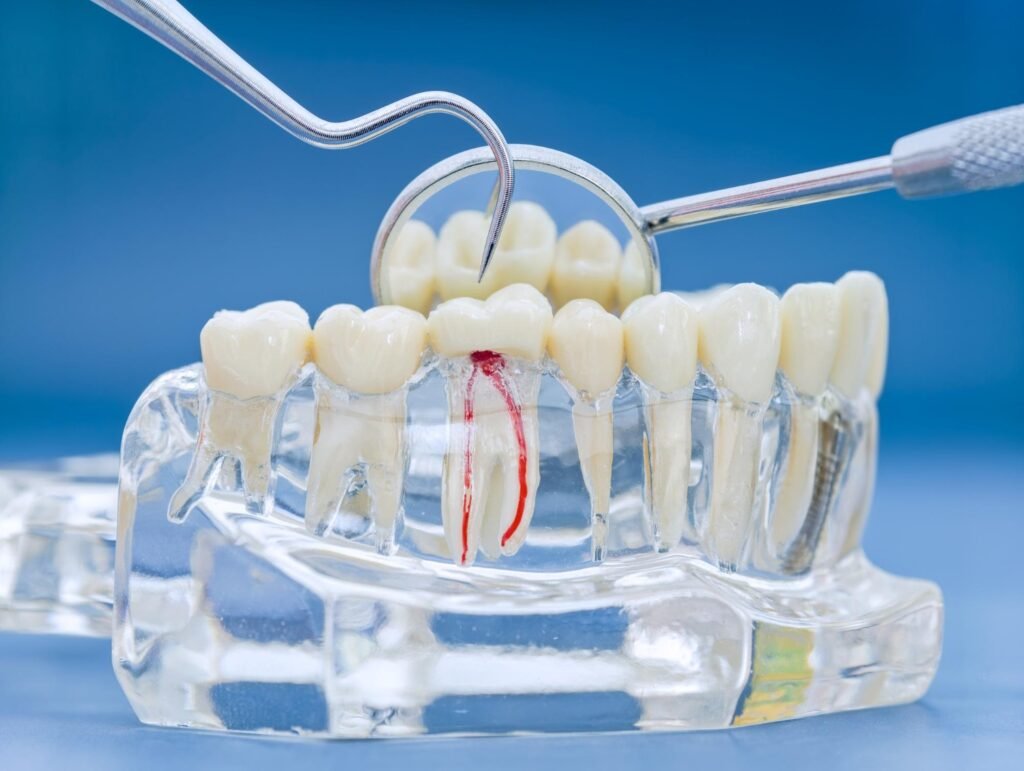
When a tooth is affected by deep decay, infection, or injury, many people assume extraction is the only solution. However, modern dentistry focuses on preserving natural teeth whenever possible. One of the most effective treatments for saving an infected tooth is Root Canal Treatment (RCT).
At Ensō Dental Care, Dr. Vrinda Maheshwary provides comprehensive root canal treatment using advanced diagnostic technology and modern dental equipment to ensure precise treatment planning. The clinic believes in preserving natural teeth whenever clinically appropriate because a healthy natural tooth contributes to better chewing, speech, and overall oral health.
If you are searching for Root Canal Treatment Vadodara, understanding the procedure and seeking timely dental care can help prevent complications and restore the health of your smile.
What is Root Canal Treatment?
Inside every tooth is a soft tissue known as the dental pulp, which contains nerves, blood vessels, and connective tissue. When this pulp becomes infected due to deep cavities, repeated dental procedures, trauma, or cracks, bacteria can spread inside the tooth and eventually affect the surrounding bone.
A root canal treatment removes the infected pulp, disinfects the root canals, and seals the tooth to prevent reinfection. In many cases, the treated tooth is later restored with a dental crown to improve its strength and functionality.
This treatment allows patients to retain their natural tooth instead of opting for extraction.
Why Saving a Natural Tooth Matters
Natural teeth are designed to function together in harmony. Losing even a single tooth can gradually affect neighboring teeth, bite alignment, and chewing efficiency.
Preserving your natural tooth through Root Canal Treatment Vadodara offers several advantages:
- Maintains natural chewing ability
- Helps preserve jawbone support
- Prevents adjacent teeth from shifting
- Supports proper speech
- Maintains the natural appearance of your smile
- Reduces the need for more complex tooth replacement options
At Ensō Dental Care, treatment plans are designed to preserve healthy tooth structure whenever possible.
Common Signs That You May Need Root Canal Treatment
Not every toothache requires a root canal, but certain symptoms should never be ignored.
You should visit a dentist if you notice:
Persistent Tooth Pain
Pain that continues for several hours or recurs frequently may indicate pulp inflammation or infection.
Sensitivity to Hot or Cold
If discomfort lingers after drinking hot tea or cold water, the inner pulp may be affected.
Swollen Gums
Localized swelling near one tooth can indicate infection.
Pain While Chewing
Discomfort during biting may suggest inflammation around the tooth roots.
Tooth Discoloration
A tooth that gradually becomes darker than surrounding teeth could indicate damage to the pulp.
Gum Pimple or Recurring Swelling
Sometimes infection drains through the gum, creating a small bump that appears and disappears.
Early diagnosis improves the chances of preserving the tooth.
What Causes Root Canal Infection?
Several dental conditions can damage the pulp inside a tooth.
The most common causes include:
- Deep untreated cavities
- Cracked or fractured teeth
- Dental trauma
- Large fillings placed over time
- Repeated dental procedures on the same tooth
- Advanced gum disease affecting tooth support
Routine dental examinations help identify these problems before they become severe.
Root Canal Treatment at Ensō Dental Care
At Ensō Dental Care, every root canal treatment begins with a thorough clinical evaluation.
Step 1: Comprehensive Examination
Dr. Vrinda Maheshwary evaluates:
- Tooth condition
- Gum health
- Existing restorations
- Extent of infection
- Bite relationship
Understanding the overall dental condition helps create an accurate treatment plan.
Step 2: Digital Imaging
The clinic utilizes modern diagnostic technology including:
- CBCT 3D Imaging
- Digital RVG X-rays
These imaging systems provide detailed views of the tooth roots and surrounding bone, allowing accurate diagnosis and careful treatment planning.
Step 3: Cleaning the Root Canal
After accessing the infected pulp chamber, the damaged tissue is carefully removed.
The root canals are cleaned, shaped, and disinfected using specialized instruments designed for precision.
Step 4: Sealing the Tooth
Once the canals are thoroughly cleaned, they are filled with a biocompatible material to prevent bacterial re-entry.
Step 5: Final Restoration
Depending on the remaining tooth structure, a dental crown may be recommended to strengthen and protect the treated tooth for everyday function.
Advanced Technology Makes a Difference
Modern dental technology has significantly improved root canal treatment.
At Ensō Dental Care, advanced equipment supports accurate diagnosis and treatment planning, including:
- CBCT 3D Imaging
- Digital RVG
- Vatech Portable X-Ray
- Laser Dentistry (selected procedures)
- Intraoral Scanner
- Class B Sterilization System
These technologies contribute to precise care while supporting high standards of safety and hygiene.
How Long Does Root Canal Treatment Take?
Treatment duration depends on several factors, including:
- Number of roots
- Severity of infection
- Tooth location
- Existing restorations
- Complexity of the canals
Some cases can be completed in one visit, while others may require multiple appointments.
Dr. Vrinda Maheshwary recommends the most appropriate treatment schedule after evaluating each patient’s condition.
What Happens If You Delay Treatment?
Ignoring an infected tooth may allow bacteria to spread further.
Possible complications include:
- Increased infection
- Dental abscess formation
- Swelling
- Bone damage around the tooth
- Greater difficulty in preserving the natural tooth
Early intervention generally allows for more predictable treatment outcomes.
Dental Tips to Reduce the Risk of Root Canal Treatment
Although not every root canal can be prevented, healthy habits significantly lower the risk.
Brush Twice Daily
Use fluoride toothpaste and brush for at least two minutes.
Clean Between Teeth
Daily flossing removes plaque where toothbrushes cannot reach.
Avoid Using Teeth as Tools
Do not open bottles or tear packages with your teeth.
Wear a Mouthguard During Sports
Protecting teeth from injury reduces the risk of fractures.
Limit Sugary Snacks
Frequent sugar exposure increases the likelihood of cavities.
Visit Your Dentist Regularly
Routine examinations allow early detection of cavities before they affect the dental pulp.
Why Patients Choose Ensō Dental Care
Patients looking for a Dentist in Vasna appreciate a clinic that combines advanced technology with personalized care.
At Ensō Dental Care, every treatment plan is based on:
- Comprehensive diagnosis
- Modern dental technology
- Patient education
- Individualized treatment planning
- High sterilization standards
- Long-term oral health goals
The clinic offers a wide range of services including preventive dentistry, cosmetic dentistry, dental implants, orthodontics, smile design, and restorative treatments under one roof.
Conclusion
Modern Root Canal Treatment Vadodara offers an effective way to preserve natural teeth affected by infection or deep decay. Early diagnosis and timely treatment can help maintain your oral health, restore chewing function, and prevent further complications.
At Ensō Dental Care, Dr. Vrinda Maheshwary combines advanced diagnostic technology, modern treatment techniques, and patient-focused care to provide customized solutions for every smile. Whether you are searching for Root Canal Treatment Vadodara, a trusted Dentist in Vasna, or reliable Root Canal Treatment Vasna, choosing an experienced dental team and seeking treatment at the right time can make all the difference.
Protecting your natural teeth begins with regular dental visits, good oral hygiene, and prompt attention to dental concerns. With the right care, your smile can remain healthy and functional for years to come.
Frequently Asked Questions
Is it always necessary to remove a tooth if it is infected?
Not necessarily. Many infected teeth can be preserved with timely root canal treatment, depending on the extent of damage.
How do I know if I need Root Canal Treatment?
Persistent tooth pain, prolonged sensitivity, swelling, or deep decay are common signs. A dental examination and digital imaging help determine whether root canal treatment is required.
Can I eat after Root Canal Treatment?
Your dentist will provide instructions based on your treatment stage. If a temporary restoration is placed, avoiding hard foods on that tooth is generally recommended until the final restoration is completed.
Will I need a crown after Root Canal Treatment?
Many back teeth benefit from a dental crown because it helps restore strength and protects the treated tooth during chewing.
How can I avoid needing another root canal in the future?
Good oral hygiene, regular dental check-ups, reducing sugary foods, and treating cavities early are effective ways to lower the risk.

2 Responses