Losing a tooth or several can affect far more than just your smile. It changes how you chew, how you speak, and even how confident you feel in everyday conversations. If you’re searching for a long-term fix rather than a temporary patch, you’ve probably come across dental implants as an option. But are dental implants in Vasna actually the right choice for you? This guide walks through everything you need to know, from the basics of the procedure to what affects cost, so you can make an informed decision about your oral health.
At Enso Dental Care, we meet patients every week who are unsure whether implants are worth the investment compared to bridges or dentures. This blog breaks down the facts so you can decide with confidence.
Why Consider Dental Implants for Missing Teeth?
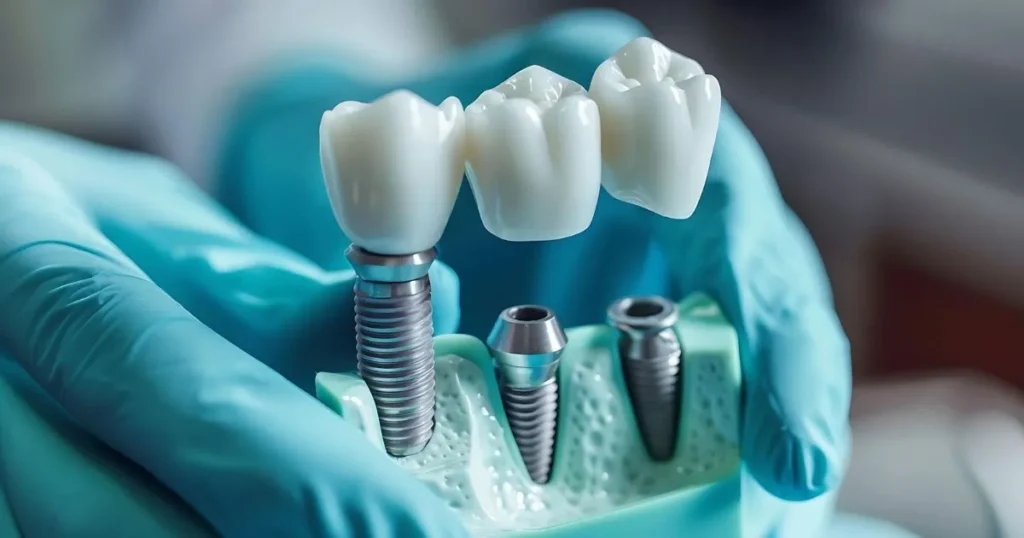
Missing teeth don’t just create gaps in your smile; they can also contribute to jawbone loss, shifting of the surrounding teeth, and difficulties with everyday activities such as chewing and speaking clearly. Traditional options like bridges and removable dentures can restore the appearance of your smile, but they may not prevent the underlying jawbone from gradually changing over time. Dental implants work differently because they replace both the visible tooth and its root. A titanium implant post is placed into the jawbone, where it gradually fuses with the surrounding bone through a process called osseointegration. Unlike options that rest on the gums, an implant provides a stable foundation for a replacement tooth and functions much like a natural tooth. Whether you have one missing tooth or several, dental implants can be a durable and natural-looking option for tooth replacement.
What Are the Benefits of Dental Implants?
The appeal of implants comes down to a combination of function, aesthetics, and long-term oral health:
1. Natural Look and Feel
Implants are custom-matched to your surrounding teeth in shape, size and color, so they blend in seamlessly.
2. Improved Chewing Ability
Unlike removable dentures, implants don’t slip or shift, allowing you to eat a full range of foods without hesitation.
3. Bone Preservation
Because the implant post stimulates the jawbone the same way a natural tooth root does, it helps prevent the bone loss that typically follows tooth extraction.
4. No Impact on Neighboring Teeth
Traditional bridges require filing down adjacent healthy teeth for support. Implants stand independently, leaving nearby teeth untouched.
5. Long-Term Durability
With proper care, implants can last decades, often outlasting other replacement methods by a wide margin.
6. Better Speech and Confidence
Loose dentures can affect pronunciation; a fixed implant restores natural speech patterns and lets you smile without worry.
What Is the Dental Implant Procedure Like?
Understanding the process can ease a lot of the anxiety around getting implants. While every case is different, the typical journey includes these stages:
- Initial consultation and imaging – X-rays or a 3D scan assess bone density and plan the exact implant placement.
- Tooth extraction (if needed) – If a damaged tooth is still present, it’s removed first, sometimes with immediate implant placement, sometimes after a healing period.
- Implant placement – The titanium post is surgically placed into the jawbone under local anesthesia.
- Healing and osseointegration – Over the next several weeks to a few months, the bone fuses around the implant, creating a stable foundation.
- Abutment placement – A small connector piece is attached to the implant to hold the final restoration.
- Crown placement – A custom-made crown is fitted on top, completing the natural look and function of the tooth.
The entire process, from consultation to final crown, can span a few months depending on healing time and whether additional procedures like bone grafting are needed. Most patients describe the surgery itself as far more comfortable than they expected, especially with modern sedation options.
How Long Do Dental Implants Last?
One of the biggest advantages of implants is their longevity. The titanium post itself, once fused with the jawbone, can last a lifetime with proper oral hygiene and regular dental checkups. The crown on top typically lasts 10 to 15 years before it may need replacement due to normal wear, though many crowns last much longer.
Compare this to dental bridges, which usually need replacement every 10 to 15 years, or dentures, which often require relining or replacement every 5 to 8 years as the jawbone changes shape. This makes implants a genuinely long-term investment rather than a recurring expense, provided you maintain good brushing, flossing, and routine dental visits.
Dental Implants vs. Other Tooth Replacement Options
It’s worth comparing implants directly against the alternatives so you can weigh what matters most to you:
Dental Implants
- Standalone, doesn’t affect neighboring teeth
- Preserves jawbone
- Highest upfront cost, but lowest long-term cost due to durability
- Requires a healing period and minor surgery
Dental Bridges
- Requires filing down adjacent teeth
- Doesn’t prevent bone loss underneath
- Faster to complete, no surgery involved
- Needs replacement roughly every decade
Dentures (Full or Partial)
- Removable, less stable while chewing or speaking
- Most affordable initial option
- Can accelerate bone loss over time
- Requires adjustments as the mouth shape changes
For patients dealing with a single missing tooth, several gaps, or even full-arch tooth loss, implants generally offer the best balance of function and long-term value, though budget and individual health factors still matter in the final decision.
What Can Affect the Cost of Dental Implants in Vasna?
Implant costs vary depending on several factors, and it helps to know what you’re actually paying for:
- Number of implants needed – A single tooth replacement costs less than a full-arch restoration.
- Bone grafting requirements – If your jawbone needs rebuilding before implant placement, this adds to the overall cost and timeline.
- Type of crown material – Zirconia, porcelain, and other crown materials vary in price and durability.
- Diagnostic imaging and technology used – Practices using advanced 3D imaging for precise placement may factor this into pricing.
- Dentist’s experience and clinic reputation – Skilled implant specialists with a strong track record may charge differently than general practitioners handling implants occasionally.
While cost is understandably a major consideration, it shouldn’t be the only factor. A cheaper implant placed without proper diagnostics or experience can lead to complications, additional costs, and even implant failure down the line.
How to Choose the Right Dentist for Dental Implants in Vasna
Not all dental practices offer the same level of expertise when it comes to implants. Here’s what to look for:
- Specialized training and experience: Ask about the dentist’s experience with dental implants, including how frequently they perform implant procedures and whether they have additional training in implantology.
- Advanced diagnostic tools: Detailed imaging plays an important role in planning implant treatment. 3D CBCT imaging allows the dentist to evaluate the jawbone, nerves, and surrounding structures in three dimensions, while an intraoral scanner can provide accurate digital impressions for treatment planning and restoration.
- Modern implant equipment: Equipment such as an NSK physiodispenser can support controlled and precise implant placement. The clinic’s implant system is also worth discussing with the dentist. Osstem implants are one option that may be considered depending on your oral health, bone condition, and individual treatment requirements.
- Guided Biofilm Therapy: Good oral hygiene is particularly important before and after implant treatment. Guided Biofilm Therapy provides a modern approach to professional biofilm removal and can support ongoing preventive oral care and maintenance.
- Laser technology: A Biolase laser can be used for selected dental procedures and may offer benefits such as improved precision and greater patient comfort in appropriate cases.
- Proper sterilization and infection control: Dental implant procedures require strict hygiene and infection-control practices. Make sure the clinic uses reliable autoclaves and follows standardized sterilization and disinfection protocols for instruments and treatment areas.
- Patient comfort and facilities: The overall treatment environment also matters. Modern Osstem dental chairs can provide patient support and comfort during longer procedures, while a clean, organized and well-maintained clinic can make the overall treatment experience more reassuring.
- Transparent treatment planning: A trustworthy dentist should explain the complete implant process, including the number of appointments, expected timeline, possible additional procedures, and complete cost breakdown before treatment begins.
- Patient reviews and before-and-after cases: Genuine patient experiences and documented treatment outcomes can help you understand the dentist’s approach and the quality of results they typically achieve. Look for reviews that discuss the complete treatment experience rather than focusing only on the final appearance.
At Enso Dental Care, our approach centers on personalized treatment planning, detailed diagnostic imaging, and clear communication at every step, so patients never feel rushed into a decision about something as significant as tooth replacement.
Conclusion
For most patients dealing with one or more missing teeth, dental implants offer a combination of durability, natural function and long-term value that other replacement options struggle to match. They’re not the right fit for absolutely everyone, but with a proper evaluation, many patients who initially seem ineligible can still qualify through preparatory treatments like bone grafting.
If you’re weighing your options for missing teeth, a consultation is the best next step. The team at Enso Dental Care can assess your specific case, walk you through realistic costs, and help you decide whether implants are the right long-term solution for your smile.
Read More: Root Canal Treatment in Vadodara: Everything You Need to Know About Saving a Natural Tooth
Frequently Asked Questions
Q1. Are dental implants really a good choice if I have a missing tooth?
Yes, dental implants can be a good long-term option for replacing a missing tooth. They are fixed in place and can help you eat, speak, and smile more comfortably. Your dentist can check your teeth, gums, and jawbone to see if implants are suitable for you.
Q2. How long will I have to wait to get my new tooth after getting an implant?
It depends on how quickly your jawbone heals and whether you need any additional treatment. In some cases, the complete process can take a few months because the implant needs time to bond with the bone before the final crown is placed.
Q3. Will getting a dental implant hurt?
Many patients worry about pain before the treatment. The procedure is usually performed with local anesthesia, so you should not feel significant pain while the implant is being placed. Some swelling or soreness afterward is normal and usually settles as you heal.
Q4. What does a dental implant in Vasna usually cost?
The cost can be different for every patient. It depends on how many teeth need to be replaced, the type of implant and crown, and whether you need treatments such as bone grafting. Your dentist can give you a clearer estimate after examining your mouth.
Q5. Can a dental implant last for many years?
Yes. With regular brushing, proper flossing, dental checkups, and good oral care, dental implants can last for many years. The crown may eventually need replacement because of normal wear, but the implant itself can be very durable.