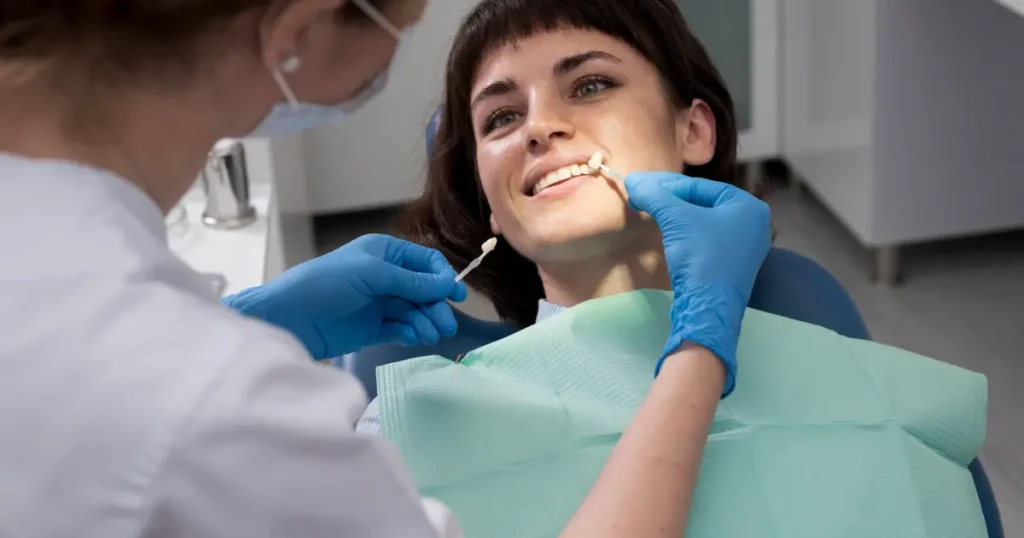
A missing tooth can become something you simply get used to. You may start chewing on the other side, avoid certain foods or stop noticing the gap altogether. However, a missing or severely damaged tooth can affect more than the appearance of your smile. Over time, tooth loss may affect chewing, the position of nearby teeth and the condition of the bone supporting the missing tooth.
In some situations, a dental implant can be considered as a long-term tooth replacement option. But how do you know whether an implant is actually right for you? There is no single sign that automatically means you need a dental implant. The decision depends on why the tooth was lost, the condition of your gums and jawbone, your overall oral health and the available replacement options. If you live in Vasna, Vadodara and are wondering whether a dental implant could be suitable for you, speaking with a dentist in Vasna can help you understand your options. A proper examination can identify the condition of the missing tooth area, check the surrounding teeth and gums, and determine whether further imaging or treatment is needed. Understanding these factors early can also help you compare implants with alternatives such as bridges or dentures before making a decision.
What Are the Signs That You May Need a Dental Implant?
1. You Have One or More Missing Teeth
The most obvious reason to consider a dental implant is having a missing tooth. A gap may seem harmless, particularly when it is towards the back of the mouth. However, missing teeth can affect chewing and may allow nearby teeth to shift over time. The bone around the missing tooth can also change after tooth loss. A dental implant is designed to replace the root portion of a missing tooth. It is typically combined with an abutment and dental crown to restore the visible part of the tooth. If you have had a missing tooth for several years, that does not automatically mean an implant is impossible. Your dentist can assess the bone and surrounding tissues to determine which options are suitable.
2. You Have Difficulty Chewing Certain Foods
Have you started chewing only on one side of your mouth? Do you avoid hard or chewy foods because of a missing or damaged tooth? These changes can be easy to overlook because people gradually adapt to them. A missing tooth reduces the available chewing surface. Depending on which teeth are missing, this can make eating certain foods more difficult. An implant-supported replacement can provide a stable tooth replacement option when it is clinically appropriate. If your eating habits have changed because of tooth loss, it is worth discussing the situation with a dentist rather than simply adjusting to it.
3. Your Teeth Are Starting to Shift
A missing tooth can affect the position of the teeth around the gap. Nearby teeth may gradually move into the empty space, while the opposing tooth may also change position.
You may notice:
- A new gap developing between teeth
- A tooth leaning towards the missing tooth
- Food getting trapped more often
- Changes in the way your teeth meet
- Difficulty cleaning around the affected area
Not every case requires an implant, but changes in tooth position are a good reason to have the area assessed.
4. A Tooth Cannot Be Saved
Dentists generally try to preserve natural teeth whenever possible. Depending on the condition of a damaged tooth, treatment such as a filling, root canal treatment or crown may be able to restore it. However, some teeth are too damaged or weakened to be predictably restored. This can happen because of severe decay, a major fracture or advanced damage to the supporting tissues. If a tooth has to be removed, your dentist can discuss replacement options before or after extraction. In some cases, an implant may be placed soon after extraction, while in others, a healing period may be recommended first. The timing depends on the condition of the tooth, bone and gums.
5. You Are Having Problems With an Existing Denture or Bridge
Dental implants are not only considered by people with newly missing teeth. They may also be an option for people who are unhappy with an existing denture or bridge. For example, a denture may feel less stable over time as the shape of the supporting tissues changes. A conventional bridge, meanwhile, relies on neighbouring teeth for support. Depending on the situation, implant-supported bridges or dentures may provide another option. However, this does not mean implants are automatically better for everyone. Your dentist should compare the advantages, limitations and costs of each option before treatment begins.
6. You Want a Fixed Tooth Replacement Option
Some people prefer a tooth replacement that is designed to remain in place rather than one that needs to be removed for cleaning. A dental implant can support a crown, bridge or denture depending on the number of teeth being replaced and the condition of the mouth. For someone looking for a fixed replacement, an implant may be worth discussing. However, suitability depends on factors such as bone availability, gum health, oral hygiene and general health.
What Does a Dentist Check Before Recommending a Dental Implant?
Having a missing tooth does not automatically mean you are ready for an implant. A proper assessment is important before treatment is planned.
Gum Health
Healthy gums are important for implant treatment. Active gum disease should generally be addressed before implant placement because inflammation and infection can affect the tissues supporting the implant.
Jawbone Condition
An implant needs suitable bone support. After tooth loss, the bone in that area can gradually change in volume. Depending on your situation, your dentist may recommend dental X-rays or 3D imaging such as a CBCT scan to evaluate the available bone and surrounding structures. If there is not enough bone for the planned implant, additional procedures such as bone grafting may sometimes be considered.
Overall Oral Health
Your dentist will also look at the condition of your remaining teeth, existing fillings or crowns, bite and overall oral hygiene. Treating other dental problems first may be necessary to create a healthier environment for implant treatment.
Medical History and Lifestyle
Your general health can also influence treatment planning and healing. Your dentist may ask about medications, medical conditions and habits such as smoking. It is important to provide accurate health information so that your treatment can be planned safely.
Your Expectations
A good consultation should not focus only on placing an implant. It should also consider what you want to achieve, the appearance and function of the replacement tooth, maintenance requirements and alternative treatments. The goal is to choose an option that is appropriate for your individual situation.
Are Dental Implants Suitable for Everyone?
No. Dental implants can be an effective tooth replacement option for many adults, but they are not suitable in every situation.
Factors that may affect implant treatment include:
- Active gum disease
- Insufficient bone in the planned implant area
- Certain uncontrolled medical conditions
- Smoking or tobacco use
- Poor oral hygiene
- Certain medications or previous treatments
- Jaw development that is not yet complete
Some of these issues can be managed before implant treatment. For example, gum disease can be treated and, in selected cases, bone augmentation may be considered.
If an implant is not suitable, alternatives such as bridges or dentures may still provide effective ways to replace missing teeth.
Why Is 3D Imaging Sometimes Used for Implant Planning?
Implant placement requires careful assessment of the tooth area, jawbone and nearby anatomical structures. A CBCT scan provides three-dimensional information that can help the dentist evaluate bone dimensions and plan implant placement when 3D imaging is clinically indicated. For patients from Vasna, Ensō Dental Care offers in-house CBCT imaging as part of its diagnostic facilities. The clinic also provides implant consultations and treatment planning based on individual dental needs. The important point is that imaging is used as part of a wider clinical assessment rather than as a substitute for an examination.
How Long Does a Dental Implant Take?
Implant treatment is not usually completed in a single appointment.
Depending on the case, the process may include:
- Initial examination and treatment planning
- Dental X-rays or 3D imaging when required
- Removal of a damaged tooth, if necessary
- Bone or gum preparation, if required
- Implant placement
- Healing and integration with the jawbone
- Placement of the final crown, bridge or denture
The overall timeline varies from patient to patient. Healing, bone condition and any additional procedures can all affect how long treatment takes. Your dentist should explain the expected stages and timeline before treatment begins.
Conclusion
A missing tooth, difficulty chewing, shifting teeth or a tooth that cannot be saved may be reasons to discuss dental implants with a dentist. However, having one of these signs does not automatically mean an implant is the right treatment. The best way to find out is through a proper dental examination and, when required, appropriate imaging. Your dentist can assess your gums, bone, remaining teeth and bite before explaining whether an implant, bridge, denture or another option would be suitable. If you are based in Vasna and considering dental implants, Ensō Dental Care can help you understand your treatment options through a detailed consultation and appropriate diagnostic assessment. Discussing your concerns early can help you make a more informed decision about replacing a missing or damaged tooth.
Read More: Are Dental Implants in Vasna a Good Solution for Missing Teeth?
FAQs
1. How do I know if I need a dental implant in Vasna?
A dental implant may be considered if you have a missing tooth, difficulty chewing, a tooth that cannot be restored, shifting teeth or problems with an existing denture or bridge. A dentist needs to examine your teeth, gums and jawbone before recommending an implant.
2. Is it too late to get a dental implant after losing a tooth years ago?
Not necessarily. People can sometimes receive implants years after losing a tooth. However, changes in the jawbone may affect treatment planning, and some patients may require additional procedures before an implant can be placed.
3. What happens if I do not replace a missing tooth?
The effects vary depending on the tooth and individual situation. A missing tooth can affect chewing and may allow nearby teeth to move. Your dentist can explain whether replacing the tooth is advisable and which options are available.
4. Do I need a CBCT scan before getting a dental implant?
Yes, a CBCT scan can help assess the bone and surrounding structures for implant planning. It is mandatory before implant placement as it helps assess the bone density, quantity, nerve and sinus distances. This is why at Enso Dental Care we have an in-house CBCT for the convenience and comfort of our patients.
5. How long does a dental implant last?
Dental implants are intended to provide long-term tooth replacement, but their lifespan varies between individuals. Good oral hygiene, healthy gums, regular dental check-ups and appropriate care can help maintain the implant and the surrounding tissues.