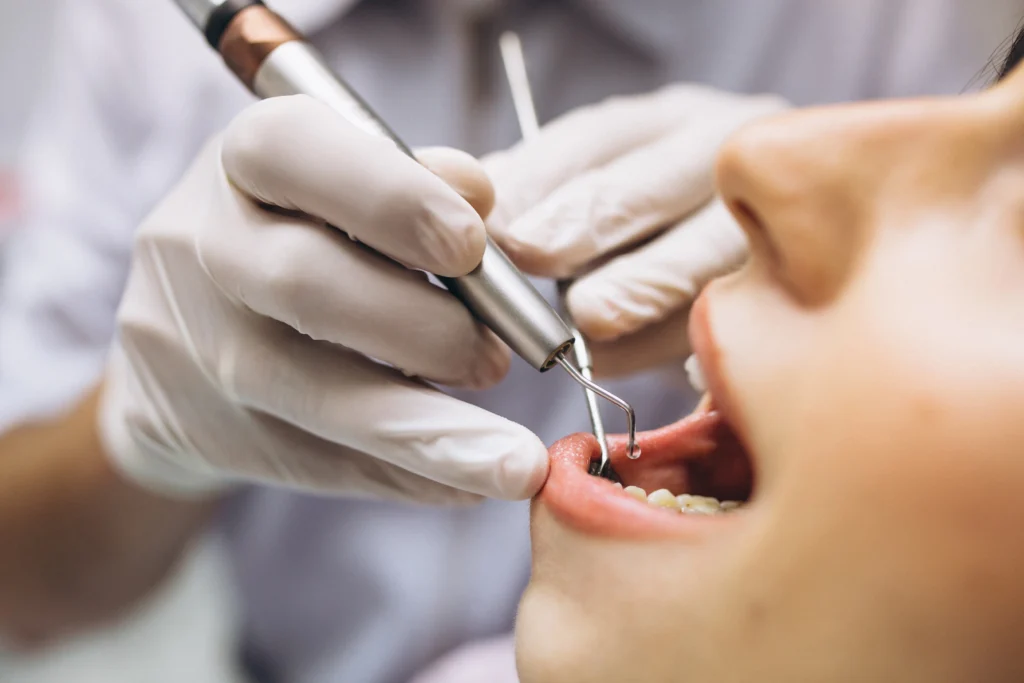
Starting dental treatment is not just about sitting in the dental chair and getting the problem fixed. Before agreeing to any procedure, it is important to understand what is wrong, why a particular treatment is being recommended, what other options are available, how much it may cost and what you should expect afterwards. This becomes especially important for treatments such as root canals, crowns, braces, dental implants and other procedures that may require multiple visits. Bhayli is a growing residential area of Vadodara with several dental clinics, so patients have different options to consider. One of the simplest ways to choose the right dental care is to ask the right questions before treatment begins. A good dentist should be comfortable answering your questions and explaining the treatment in a way you can understand. Here are some important questions to ask before starting dental treatment in Bhayli.
Why Is It Important to Ask Questions Before Dental Treatment?
Dental treatment can affect your oral health, time, budget and long-term dental care. Understanding your treatment beforehand can help you make a decision that suits your needs.
Asking questions can help you:
- Understand your dental condition clearly.
- Know why a particular treatment has been recommended.
- Compare different treatment options.
- Understand the expected number of visits.
- Get a clearer idea of the total cost.
- Prepare for recovery and aftercare.
- Feel more confident about your treatment decision.
You should never feel uncomfortable asking a dentist to explain something again. If you do not understand a diagnosis or treatment plan, ask for a simpler explanation.
What Is the Exact Dental Problem I Have?
Before discussing treatment, make sure you understand the actual problem.
You can ask:
- What exactly is wrong with my tooth or gums?
- What caused the problem?
- Is the condition likely to get worse if untreated?
- How serious is the problem?
- Can you show me the problem on my X-ray or scan?
- What could happen if I delay treatment?
For example, tooth sensitivity may have several possible causes, including decay, gum recession, enamel wear or a cracked tooth. The treatment depends on the actual cause.
A good dentist should explain the diagnosis in simple language rather than relying only on technical terms. Seeing your X-ray or scan can also make the explanation easier to understand.
What Treatment Do You Recommend and Why?
Once you understand the problem, ask why a particular treatment has been recommended.
Some useful questions include:
- Why do I need this treatment?
- What will the treatment solve?
- Is this treatment necessary now?
- Can the treatment be delayed?
- How long can I expect the result to last?
- What are the possible risks or limitations?
For example, if a tooth has extensive decay, your dentist may recommend a filling, root canal treatment, crown or extraction depending on the condition of the tooth.
The important thing is to understand why that particular option is suitable for your case, rather than simply knowing its name.
Are There Any Other Treatment Options?
It is reasonable to ask whether there are alternatives. Depending on the condition, some dental problems may have more than one possible treatment. Each option can differ in cost, treatment time, maintenance and long-term results.
Ask:
- What other options are available?
- What are the advantages and disadvantages of each?
- Which option preserves more of my natural tooth?
- How do the options compare in cost?
- How long is each option expected to last?
- What maintenance will each option require?
For example, a missing tooth may potentially be replaced with a dental implant, bridge or denture. The right choice depends on factors such as your oral health, bone condition, number of missing teeth, budget and long-term expectations.
Understanding your choices allows you to make an informed decision instead of feeling that you have only one option.
What Will the Dental Treatment Process Involve?
Knowing what will happen during treatment can make the appointment easier to prepare for.
Ask your dentist:
- What will happen during the procedure?
- How long will the appointment take?
- Will local anaesthesia be required?
- Will I need sedation for the procedure?
- What should I expect immediately afterwards?
- What are the possible risks or complications?
- What should I avoid after treatment?
It is also important to tell your dentist about your medical history. Mention any regular medicines, allergies or relevant medical conditions before treatment begins. If you feel nervous about dental treatment, tell the dental team beforehand. They can explain the procedure and discuss appropriate ways to make the experience more comfortable.
How Many Visits Will the Treatment Take?
Your time is another important consideration.
Before starting treatment, ask:
- How many appointments will I need?
- How long will each appointment take?
- Will I need temporary treatment between visits?
- How much time should I keep between appointments?
- What happens if I need to postpone an appointment?
Some treatments can be completed in one visit, while others require several appointments.
For example, dental implant treatment generally involves multiple stages, and the overall timeline can extend over several months because the implant needs time to integrate with the jawbone before the final restoration is placed.
Knowing the expected timeline helps you plan your work, travel and other commitments.
What Dental Tests or Technology Are Needed?
Not every dental treatment requires the same type of examination or imaging.
Ask:
- Do I need an X-ray?
- Would an OPG or 3D CBCT scan be necessary?
- Why is this particular scan needed?
- How will the results affect my treatment plan?
- Will digital scanning or other technology be used?
Detailed imaging can be particularly useful for treatment planning involving dental implants, wisdom teeth or complicated root canal cases. For example, Ensō Dental Care in Bhayli has in-house CBCT imaging, which can be useful when 3D assessment is required for treatment planning. However, it is perfectly reasonable to ask why a particular test is needed. Your dentist should be able to explain what the test shows and how it helps with your treatment.
What Should I Know About the Cost of Treatment?
Cost is an important question and should be discussed before treatment starts.
Ask:
- What is the estimated total cost?
- Does the estimate include consultation and diagnostic tests?
- Are medicines or follow-up appointments included?
- Could additional costs arise later?
- Are there different materials or treatment options with different prices?
- Are payment plans or insurance options available?
For complex treatments, ask for a written estimate whenever possible.
The cost of dental treatment can vary depending on the complexity of the case, materials, laboratory work, technology involved and type of restoration or procedure required. Do not choose a treatment only because it has the lowest price. At the same time, a higher price does not automatically mean better treatment. Clear communication, appropriate materials, proper hygiene and the dentist’s qualifications and experience are all important factors.
What Should I Check About the Dentist and Clinic?
Choosing a dentist is about more than looking at the clinic’s rating online. Consider several factors before making your decision.
1. Qualifications and Experience
Ask about the dentist’s qualifications, registration and experience with the treatment you need. For specialised procedures, such as dental implants, you may also ask about advanced training and how frequently the dentist performs that type of treatment. For example, Dr. Vrinda Maheshwary of Ensō Dental Care completed her dental graduation from Nair Hospital, Mumbai, and has advanced training in implantology from France, including a Master’s qualification and gold medal recognition.
2. Hygiene and Sterilisation
Dental treatment involves close contact with the mouth, so proper infection-control practices are essential.
You can check whether the clinic:
- Uses an autoclave for instrument sterilisation.
- Follows appropriate sterilisation protocols.
- Uses fresh gloves and masks as required.
- Maintains clean treatment areas.
- Handles instruments and equipment properly.
You should also feel comfortable asking the dental team about their sterilisation procedures.
3. Range of Dental Services
If you expect to need regular dental care, it can be convenient to choose a clinic that provides different types of treatment.
Services may include:
- Preventive dental care
- Professional teeth cleaning
- Fillings
- Root canal treatment
- Crowns and bridges
- Dental implants
- Dentures
- Braces and aligners
- Cosmetic dentistry
- Children’s dentistry
Having access to different services can make it easier to maintain your dental records and follow-up care in one place.
4. Communication and Patient Care
Pay attention to how the dentist communicates during your consultation. Does the dentist listen to your concerns? Are your questions answered clearly? Are treatment options explained without pressure? These small details can make a significant difference to your overall experience.
What Should I Ask About Follow-Up Care?
Treatment does not necessarily end when you leave the clinic.
Before finishing your appointment, ask:
- What should I eat or avoid after treatment?
- What medicines do I need to take?
- How should I clean the treated area?
- What symptoms are normal during recovery?
- Which symptoms should I report to the clinic?
- When should I return for a follow-up?
- How often will the treated tooth or restoration need to be checked?
Ask for written instructions if the treatment involves several aftercare steps. It is easy to forget details after an appointment. Long-term maintenance is also important. For example, patients with dental implants need regular professional checks and good oral hygiene to help maintain the surrounding gums and tissues. Preventive treatments such as professional cleaning and Guided Biofilm Therapy may also be recommended depending on your individual oral health and risk factors.
Conclusion
Choosing dental treatment should not be a rushed decision. Before starting treatment, take time to understand your diagnosis, treatment options, expected timeline, cost, safety measures and follow-up requirements. If you are visiting a dentist in Bhayli, prepare your questions before the appointment and do not hesitate to ask for clarification. A good dental consultation should leave you with a clear understanding of what needs to be done, why it is recommended and what you can expect throughout the process. Whether you choose Ensō Dental Care or another dental clinic in Bhayli, the most important thing is to choose care that is appropriate for your oral health, clearly explained and supported by proper follow-up. Being an informed patient can help you make better dental decisions today and maintain your oral health for the years ahead.
Read More: When Is a Dental Implant in Bhayli a Better Choice Than Other Tooth Replacement Options
FAQs About Dental Treatment in Bhayli
1. What should I ask a dentist before starting treatment?
Ask about your diagnosis, recommended treatment, alternative options, expected number of visits, estimated cost, possible risks and aftercare. You can also ask about the dentist’s experience with the specific treatment you need.
2. How do I choose a good dentist in Bhayli?
Look for appropriate qualifications, relevant experience, proper registration, good hygiene practices, transparent treatment costs and clear communication. Patient reviews can also help you understand other people’s experiences with the clinic.
3. Should I ask about different dental treatment options?
Yes. Depending on your dental condition, there may be more than one suitable option. Ask about the benefits, limitations, cost, treatment time and maintenance requirements of each option before making a decision.
4. What should I ask about the cost of dental treatment?
Ask for the estimated total cost and what is included. Find out whether diagnostic tests, medicines, follow-ups or laboratory charges are included and whether additional costs could arise during treatment.
5. Is it okay to get a second opinion before dental treatment?
Yes. A second opinion can be useful for complex, expensive or irreversible procedures. Take your dental records and imaging with you so the second dentist can properly assess your case.