A missing tooth can affect more than your smile. It may make chewing and speaking difficult and can gradually affect how your remaining teeth fit together. Over time, untreated tooth loss may also contribute to changes in the surrounding bone and the structure of your mouth. Today, several options are available for replacing missing teeth, including dental implants, bridges and dentures. Each option differs in comfort, appearance, durability, maintenance, and long-term benefits. The right choice depends on factors such as the number of missing teeth, gum and jawbone health, nearby teeth, budget and long-term expectations. If you’re considering a dental implant in Bhayli, you may wonder whether an implant is better than a bridge or denture. Implants replace the missing tooth root as well as the visible tooth, offering stability and helping support the jawbone. However, they may not be suitable for everyone. In this guide, we’ll compare implants, bridges, and dentures and explain when an implant may be the more suitable long-term option. Understanding these differences can help you discuss your choices with your dentist and make an informed decision based on your dental needs.
What Is a Dental Implant and How Does It Work?
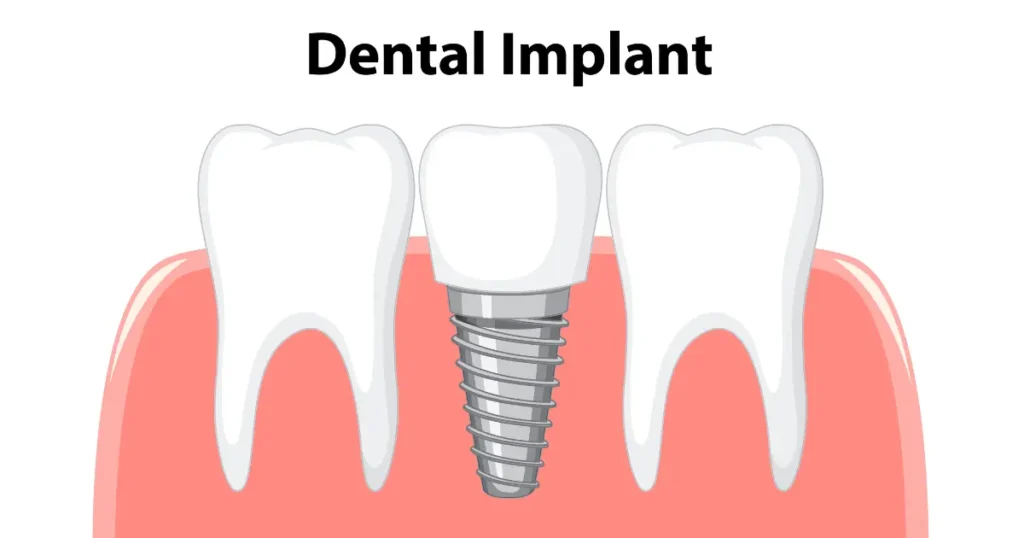
A dental implant is a small titanium post that is surgically placed into the jawbone, acting as an artificial tooth root. Over a period of a few months, the implant fuses with the surrounding bone through a process called osseointegration. Once this bond is stable, a custom-made crown is attached on top, giving you a replacement tooth that looks, feels and functions like a natural one. Unlike removable options, an implant is a fixed, standalone solution, it doesn’t rely on neighbouring teeth for support. This is one of the biggest reasons dentists and patients alike consider implants the gold standard in modern tooth replacement.
Dental Implants vs Dental Bridges
A dental bridge replaces a missing tooth by anchoring a false tooth to the adjacent natural teeth, which are shaved down to support crowns on either side.
1. Where Bridges Fall Short
- They require altering healthy adjacent teeth, which can weaken them over time
- They don’t prevent bone loss in the area where the tooth is missing
- Bridges typically need replacement every 10-15 years
2. Where Implants Win
Implants don’t touch neighbouring teeth at all, preserving their structure. Because the implant post stimulates the jawbone the way a natural root does, it helps prevent the bone shrinkage that often follows tooth loss. For patients who want a long-term solution without compromising healthy teeth, an implant is usually the more conservative and durable choice.
Dental Implants vs Dentures
Dentures, whether full or partial, are removable appliances that sit on the gums. They’re a familiar, budget-friendly option, but they come with trade-offs.
1. Common Denture Concerns
- They can shift or slip while eating or speaking
- Many patients report reduced bite force and difficulty with certain foods
- Ongoing bone loss under the denture can change its fit over the years, requiring relines or replacements
2. The Implant Advantage
Because implants are anchored directly into the bone, they offer stability that dentures simply can’t replicate. There’s no slipping, no need for adhesives and chewing efficiency is much closer to that of natural teeth. For patients missing multiple teeth, implant-supported dentures or bridges can also combine the benefits of both approaches.
When Is a Dental Implant the Better Option?
Not every situation calls for an implant, but there are clear scenarios where it clearly outperforms other options.
- You Have Healthy Adjacent Teeth: If the teeth next to the gap are healthy, it doesn’t make sense to grind them down for a bridge. An implant leaves them untouched.
- You’re Concerned About Long-Term Bone Health: If preserving your jawbone structure and facial shape matters to you, an implant is the only replacement option that actively supports bone density in that area.
- You Want a Permanent, Low-Maintenance Solution: Implants don’t need to be removed for cleaning, and with good oral hygiene, they can last for decades, something neither bridges nor dentures can promise with the same confidence.
- You’ve Struggled With Loose or Uncomfortable Dentures: Patients who find dentures unstable or uncomfortable often turn to implants or implant-supported dentures, as a more secure alternative.
Benefits of Choosing Dental Implants for Missing Teeth
Dental implants offer several benefits that can make them a reliable option for replacing missing teeth:
- Natural Look and Feel: Implants are custom-designed to match your existing teeth, creating a natural-looking and comfortable smile.
- Improved Chewing and Speech: They provide stable support for eating and speaking, without the movement sometimes associated with removable dentures.
- Better Oral Health: Implants don’t require reducing neighbouring healthy teeth and can help preserve the jawbone after tooth loss.
- Long-Term Value: Although the initial cost may be higher, their durability can make them a worthwhile long-term investment.
Overall, dental implants can provide a stable, functional, and natural-looking solution for missing teeth.
Factors to Consider Before Choosing a Dental Implant
Before choosing a dental implant, consider these important factors to ensure it suits your oral health, needs and long-term goals.
Your Overall Oral Health
Healthy gums and adequate bone are essential prerequisites, so a dental check-up and imaging are usually the starting point.
Number of Missing Teeth
A single missing tooth, several gaps, or a fully edentulous jaw each call for different implant approaches, single implants, implant bridges, or full-arch solutions.
Healing Time and Commitment
Implants involve a healing period of a few months for osseointegration before the final crown is placed, so patience and follow-through matter.
Budget and Long-Term Planning
While the initial investment is higher, it’s worth weighing this against the recurring costs of replacing or adjusting bridges and dentures over the years.
Considering these factors can help you decide whether dental implants are the right option for your long-term dental needs.
Dental Implant Cost and Treatment Considerations in Bhayli
The cost of dental implants in Bhayli varies depending on factors such as the number of implants needed, whether bone grafting is required, the type of crown material used, and the complexity of the case. While implants generally cost more upfront than bridges or dentures, their longevity and the reduced need for repeat treatments often make them a more economical choice over time. At Enso Dental Care, treatment plans are customised after a detailed assessment, so patients get a clear, transparent picture of costs before moving forward, with no surprises along the way.
How to Choose the Right Dentist in Bhayli for Dental Implants
Choosing the right dental team is important for successful implant treatment. Look for a dentist with relevant implant experience, modern technology, clear communication, and a personalised approach.
1. Experience and Technology
Look for a clinic with advanced tools such as 3D CBCT imaging and a physiodispenser for accurate implant planning and placement. At Enso Dental Care, we have an in-house CBCT, an NSK physiodispenser and use Osstem South Korean implants. We also offer Guided Biofilm Therapy and Biolase laser technology for implant maintenance.
Dr. Vrinda Maheshwary has completed her Master’s in Implantology from a French university and is a gold medalist in the same field.
2. Transparent Communication
A good dentist should clearly explain whether implants, bridges, or dentures are suitable for you, along with the treatment process, expected timeline, and costs, without pressuring you into a particular option.
3. Personalised Treatment Plans
Every patient has different bone health, bite, gum condition, and aesthetic goals. Your treatment plan should therefore be tailored to your individual needs. At Enso Dental Care in Bhayli, the focus is on detailed consultations, patient education and precise implant planning so patients can understand their options before starting treatment.
Conclusion
Choosing between a dental implant, a bridge or a denture ultimately comes down to your oral health, long-term goals, and lifestyle. While bridges and dentures remain valid options in certain situations, dental implants consistently offer superior stability, bone preservation and longevity for most patients missing one or more teeth. If you’re weighing your options in Bhayli, a personalised consultation is the best next step. The team at Enso Dental Care can help assess your candidacy and guide you toward the tooth replacement solution that truly fits your needs.
Read More: Why Dental Implants Are a Trusted Solution for Missing Teeth in Vadodara
Frequently Asked Questions
1. Are dental implants better than a bridge for a single missing tooth?
In many cases, dental implants can be a better long-term option because they do not require reducing healthy neighbouring teeth and can help preserve the jawbone.
2. How long does the dental implant process take?
The complete process usually takes a few months, as the implant needs time to fuse with the jawbone before the final crown is placed. The exact timeline depends on your healing and individual dental condition.
3. Can I get a dental implant if I have been missing a tooth for years?
Yes, dental implants may still be possible after several years. However, if significant bone loss has occurred, a bone graft may be required before implant placement.
4. How long do dental implants last?
With proper oral hygiene, regular dental check-ups, and good overall care, dental implants can last 20-30 years or potentially much longer. The crown may require replacement sooner due to normal wear.
5. Do dental implants require special care?
Dental implants generally do not require complicated care. Regular brushing, flossing, good oral hygiene and routine dental check-ups can help keep the implant and surrounding gums healthy.